MVP Development, Built to Ship.
A working product in 4–8 weeks. Scoped on a single call, priced up front, delivered in stages. No agency overhead, no handoff chaos — you talk to the person who writes the code.
How an MVP
gets built
What You Actually Get
A real product, not a prototype.
An MVP is not a wireframe deck, a staging environment nobody can log into, or a repo full of TODO comments. What you get at the end of this engagement: a deployed, documented application you can share with users on day one. Auth, a database, a CI/CD pipeline, environment configs, and a README that explains how to run it — all included. The codebase is yours outright. No lock-in, no monthly licence for tools I chose without telling you. Scope is fixed in the first call. Price is agreed before any code is written. If the scope doesn't change, the price doesn't change.
Most MVPs land in 4–8 weeks. Pricing is fixed per engagement — quoted after a 30-minute scoping call, not before.
Includes
- — Full-stack application, deployed to production
- — Auth, data layer, core user flows
- — CI/CD pipeline and environment configuration
- — Infrastructure setup (cloud provider of your choice)
- — Inline documentation and README
- — 30-day post-launch support
- — Full code and repository handover
Best forFounders who need a working product, not a deck.
Timeline4–8 weeks typical
How an MVP Build Works
From scoping call to live product.
It starts with a 30-minute call. No intake form, no NDA theatre. You describe what you want to build; I ask the questions that turn a rough idea into a buildable spec. From there: a fixed-price proposal with clear milestones arrives within 48 hours. Work is delivered in stages — each one reviewed and signed off before the next begins. You can see progress at every step, not just at the end. A real example: a SaaS MVP with auth, billing, and a basic dashboard, delivered in 6 weeks at a cost agreed upfront. Post-launch, 30 days of support is included. Bug fixes, deployment issues, minor adjustments. After that, a monthly retainer is available if you want ongoing cover.
Staged reviews catch misalignments early. Scope overrun on fixed-price engagements: zero.
Includes
- — Fixed-price proposal within 48 hours of scoping call
- — Staged delivery with review at each milestone
- — Async progress updates (no phantom status meetings)
- — Staging environment for your review before final deploy
Best forFounders who want visibility without micromanaging.
TimelineProposal within 48 hours of scoping call
Why a Solo Senior Engineer
You talk to the person who builds it.
Most agencies sell the senior engineer and deliver a junior one. Marketplaces give you a different contractor each time. Both add coordination overhead that ends up in your timeline and your bill. Here, there is one person on your project: me. I scope it, build it, and deploy it. If something is unclear, you ask me directly. If something breaks, I fix it. There is no account manager between us, no sprint planning ceremony that produces a status update instead of output. Recent project: end-to-end marketplace platform, live in 8 weeks, zero scope overrun. The tradeoff is that I take a limited number of projects at once. If I can't take yours right now, I'll tell you that in the first call.
Named accountability: one person owns the outcome, start to finish.
Includes
- — Production deployment (AWS / Vercel / Railway)
- — CI/CD pipeline
- — Full code handover + documentation
- — 30-day post-launch support
Best forTeams that want to own their stack, not rent access to someone else's.
TimelineHandover on final milestone approval
Typical stack
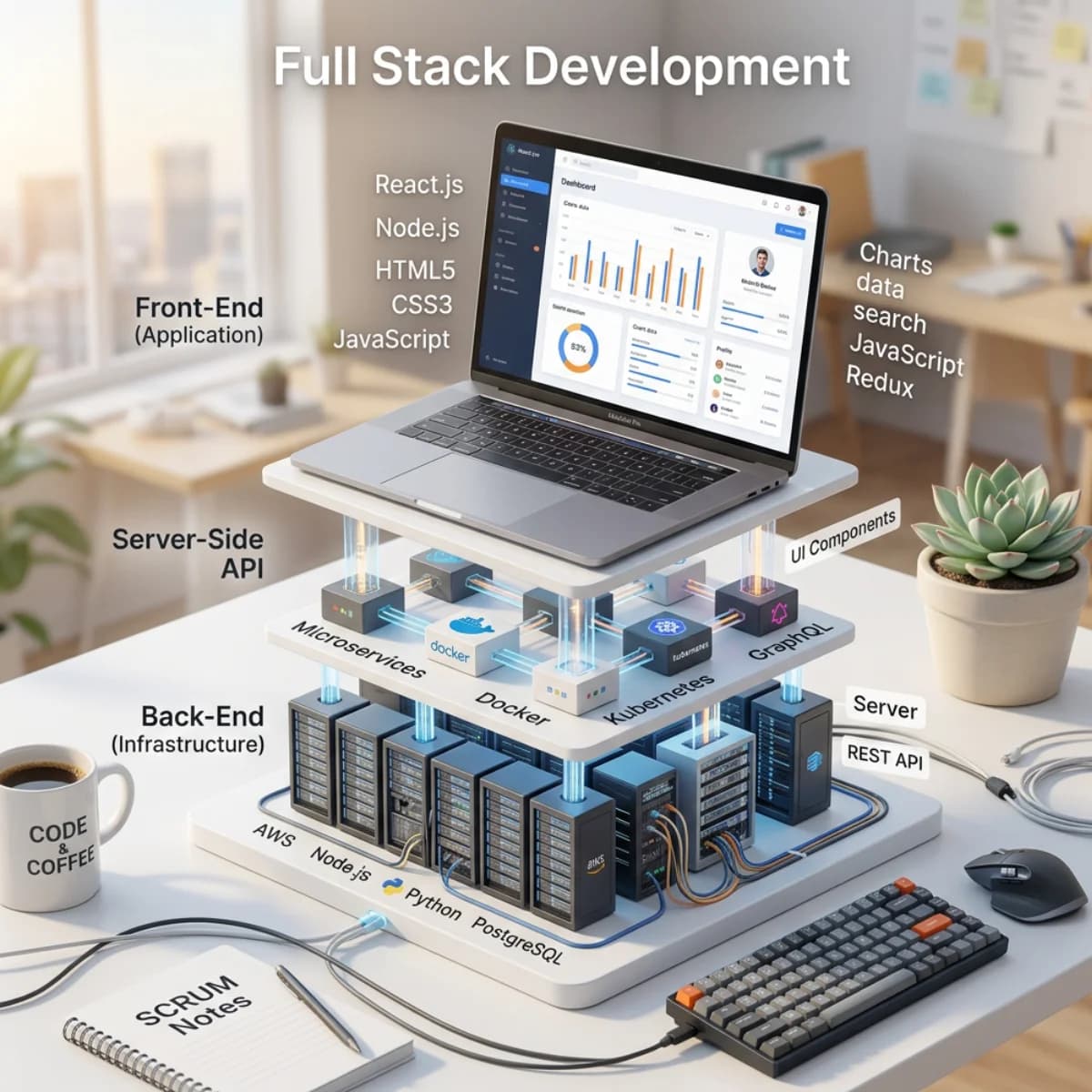
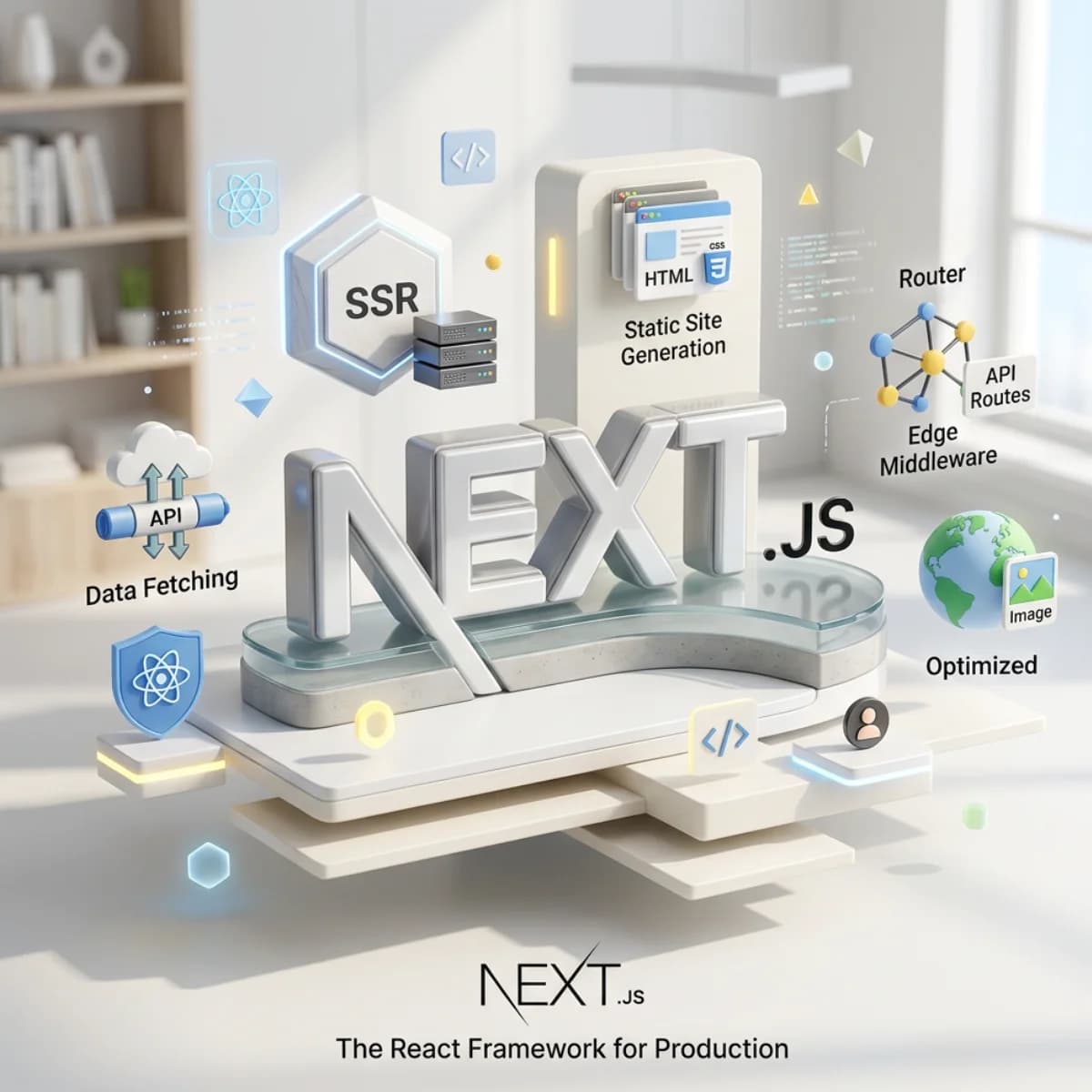
- Next.js / ReactWeb frontend & SSR
- Node.jsAPI layer
- PostgreSQL / MongoDBDepending on data shape
- AWS / VercelInfrastructure & hosting
- React NativeMobile if in scope
- Stripe / RazorpayPayments
- GitHub ActionsCI/CD
Based in India, working async-first with clients in the US, UK, UAE, and Australia. IST timezone — most async threads don't need a call at all. When they do, we find a window that works.
How much does an MVP cost?
It depends on scope. A focused MVP — one core user flow, auth, a basic data model, deployed — typically falls in the range you'd expect from a senior freelancer for 4–6 weeks of work. A more complete product with multiple user roles, third-party integrations, or a mobile layer takes longer and costs more. I don't quote before the scoping call because a number without scope is meaningless. The call is 30 minutes and there's no commitment on either side.
How long does an MVP take?
Most land between 4 and 8 weeks. Simple, well-scoped products are at the low end. Anything with complex integrations, a mobile app, or significant infrastructure work is at the higher end. Timeline is confirmed in the proposal, not estimated after work starts.
Do I own the code?
Yes, entirely. You get the full repository on handover. No proprietary frameworks, no tools that require a continuing subscription to me. If you hire an in-house engineer next month, they can pick it up without a transition call.
What if I need changes after launch?
Every engagement includes 30 days of post-launch support — bug fixes, deployment issues, small adjustments that come up in real use. If you need ongoing development after that, a monthly retainer gives you a set number of hours each month, with priority response. Scope changes during the build are handled directly: if something new is genuinely out of scope, we discuss it before it affects the timeline.
What makes this different from hiring an agency?
With an agency you get a project manager, an account manager, and a rotating cast of engineers. You talk to none of them directly. Here you talk to the engineer who writes the code. There is no overhead layer, which means faster decisions, fewer misunderstandings, and no markup on junior developers being supervised by senior ones.
Have an idea and want to know if it's buildable in your timeline and budget? Start with a 30-minute call.
Book a scoping call